
An Attitude of Constant Negativity
Looking for What's Wrong
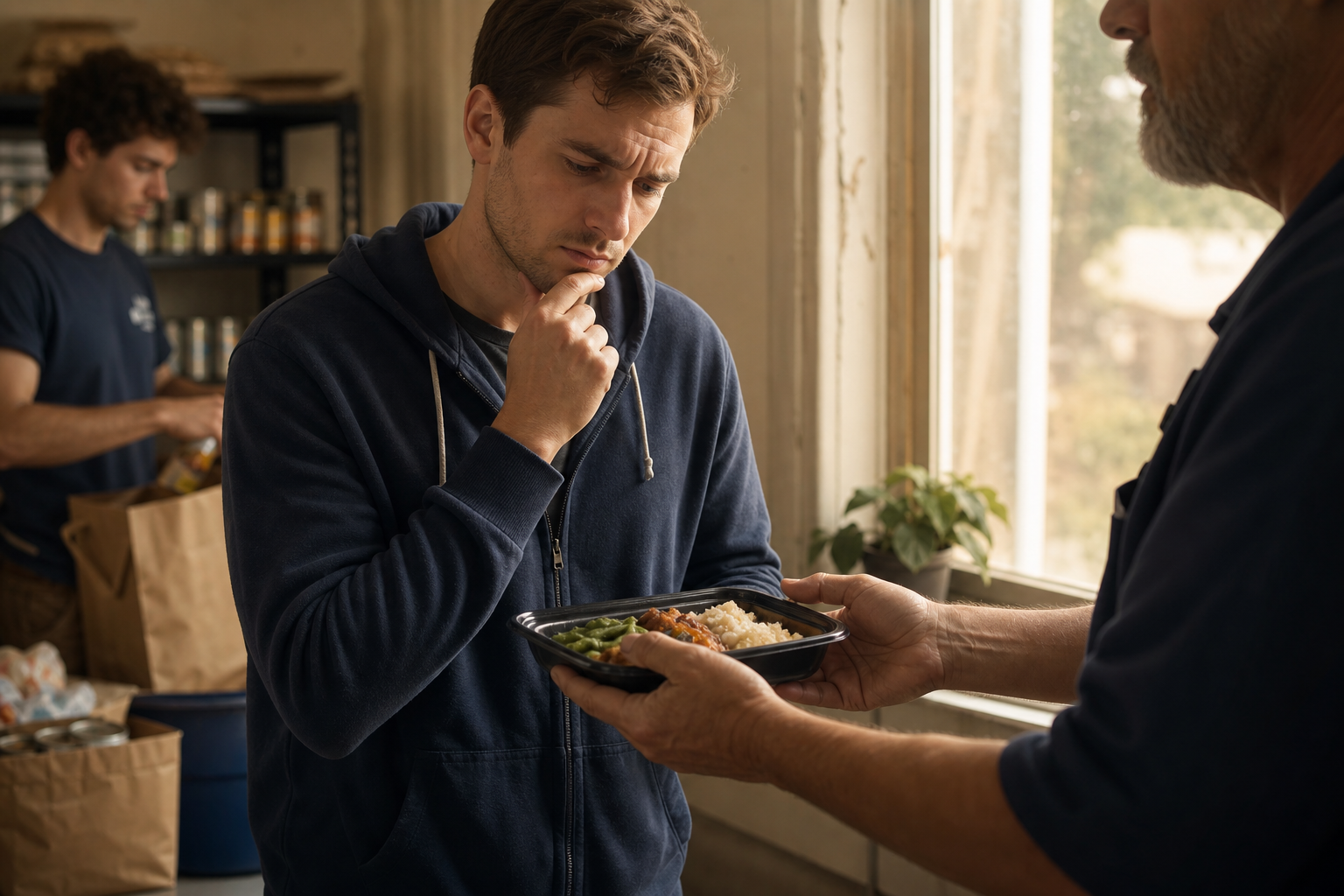
Have you ever noticed how some people seem to have a special skill for finding the bad in everything? It doesn't matter how good something is; they'll spot the tiny flaw, the hidden problem, or the potential disaster. This isn't just being careful or realistic; it's an attitude that actively seeks out what's wrong. It's like having a magnifying glass set only to find dust. This way of looking at life can come from different places. Maybe someone was often let down or hurt in the past, so they've learned to expect the worst to protect themselves. They might think, "If I prepare for the bad, I won't be surprised." Or perhaps they grew up in an environment where complaining was common, and it just became a habit. Whatever the root, this attitude shapes how they see every situation. A beautiful sunny day isn't just lovely; it's "too hot," or "it will probably rain later and ruin everything." A success isn't celebrated; it's "not enough" or "it won't last." This constant search for flaws can affect decisions deeply. If you always expect things to go wrong, you might hesitate to try new things, take healthy risks, or believe in positive outcomes. Why bother, if it's all going to fall apart anyway? It can also put a heavy strain on relationships. Imagine being friends with someone who always points out the negatives in your plans or your day. It can be exhausting to be around, making it hard to share good news or feel truly supported. People might start to keep their distance, even if they care deeply, because the constant negativity becomes too much. What does this attitude make us notice? Every imperfection, every slight challenge, every potential stumbling block. What does it make us overlook? The beauty, the blessings, the opportunities, the simple joys, and the genuine efforts of others. It paints the world in shades of gray, even when there's vibrant color all around. If we keep carrying this attitude, it can lead to a very lonely and discouraging path. It's not about pretending problems don't exist; that would be foolish. But constantly focusing on what's wrong can blind us to what's right, what's hopeful, and what's possible. It can trap us in a cycle of worry and discontent. It's worth asking if there's a healthier way to look at things. What if we consciously tried to balance our view, acknowledging challenges but also actively looking for good? This isn't about being fake; it's about making a choice to expand what we allow ourselves to see. It's about remembering that even in difficult times, there are often moments of grace, kindness, or strength if we choose to notice them. It means choosing to cultivate a spirit that doesn't just see the thorns, but also the roses—and even the resilience of the plant itself. You deserve to experience life with a broader, more hopeful perspective.