
The Founding of Social Security - Care for the Elderly Reflects Values
By Joseph Cutler ·
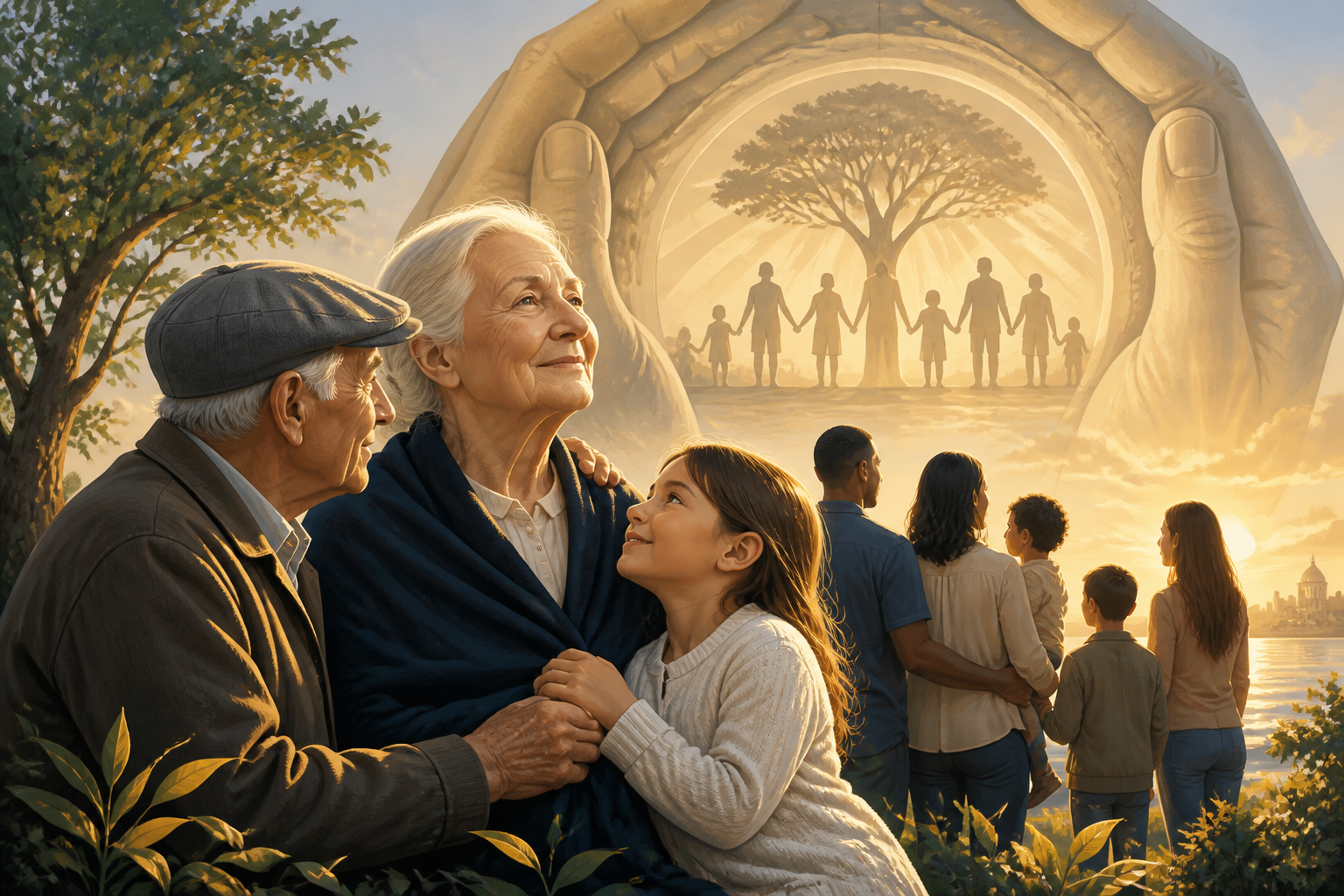
The way we care for the elderly reveals what we truly believe about human value. When we honor those who came before us, we are not just protecting their dignity—we are preserving our own.
There was a time in America when growing old often meant growing afraid.
Before Social Security was established in 1935, many elderly people faced their later years with very little protection. Some had worked hard their entire lives, raised families, built communities, served their country, paid their dues, and still found themselves with no steady income when their bodies could no longer keep up with the demands of labor.
Old age should not have to be a season of abandonment.
The founding of Social Security was not just about government policy. It was about recognizing something deeper. It was a statement that a society should not forget those who helped build it.
That matters.
Every generation stands on the shoulders of the one before it. The roads we drive on, the churches we worship in, the businesses we inherit, the freedoms we enjoy, and the wisdom we lean on were often built by people whose hands are now wrinkled, whose steps are slower, and whose voices may not be as loud as they once were.
But slower does not mean less valuable.
The elderly carry stories we still need to hear. They carry lessons we have not yet learned. They carry pain, sacrifice, prayers, regrets, victories, and wisdom that cannot be downloaded or rushed. Age has a way of teaching what success alone never can.
A culture reveals its heart by how it treats those who can no longer produce at the pace they once did.
If we only value people when they are strong, profitable, fast, or useful, then our values are shallow. But when we honor the elderly, care for the weak, protect the vulnerable, and remember those who paved the way, we show that human worth is not based on productivity.
It is based on dignity.
The Bible reminds us to honor our father and mother. That command does not expire when they grow older. In fact, it may become even more important then. Honor is easy when someone is independent. It becomes more revealing when they need patience, time, help, and tenderness.
Caring for the elderly is not a burden to escape.
It is a responsibility to embrace.
It is love with wrinkles.
It is gratitude with hands and feet.
It is faithfulness returning kindness to those who once carried us, fed us, taught us, protected us, and prayed for us.
The founding of Social Security reminds us that systems matter, but hearts matter more. A nation can create programs, but families, churches, and communities must still create compassion.
No policy can replace presence.
No check can replace a visit.
No system can replace honor.
We should never become so focused on the future that we forget those who helped bring us here. Progress without gratitude becomes pride. Success without compassion becomes selfishness. Growth without honor becomes emptiness.
The elderly are not leftovers from another generation.
They are living libraries.
They are witnesses.
They are reminders that life moves quickly, strength fades, seasons change, and one day we will all need the kindness we are willing to give today.
My Final Thought
The way we care for the elderly reveals what we truly believe about human value. When we honor those who came before us, we are not just protecting their dignity—we are preserving our own.